*Richard T. Underhill built America's first large vineyard on Croton Point, bred two new grapes, invested in the NYC elevated railroad — and named his finest variety after a Kitchawank word that had survived three centuries in a colonial deed*
In the 1850s, the writer and artist Benson John Lossing traveled the length of the Hudson River by steamboat, sketching and recording what he saw for his monumental work *The Hudson, from the Wilderness to the Sea*. When he reached Croton Point — the peninsula the Kitchawank had called Navish — he found it transformed. "Teller's Point, renamed Croton Point, stretches nearly two miles and separates Tappan from Haverstraw Bay," Lossing wrote. "Originally called Se-nas-qua by Native Americans," the point was now covered with something no one in the New World had seen before on this scale: row after row of trellised grapevines stretching across seventy-five acres of the peninsula (chunk 963, crotonhistory.org).
The man responsible was Richard T. Underhill, a physician with a restless experimental temperament and a conviction that American soil could produce wine to rival Europe's.
The Physician Turns Vintner
Underhill's first attempt at viticulture was a failure. He "initially purchased European grape varieties from Andre Parmentier, a Belgian nurseryman who had emigrated to America" (chunk 823, crotonhistory.org). European vines — Vitis vinifera — could not survive the Hudson Valley's brutal winters. The phylloxera louse, root rot, and black rot destroyed them year after year.
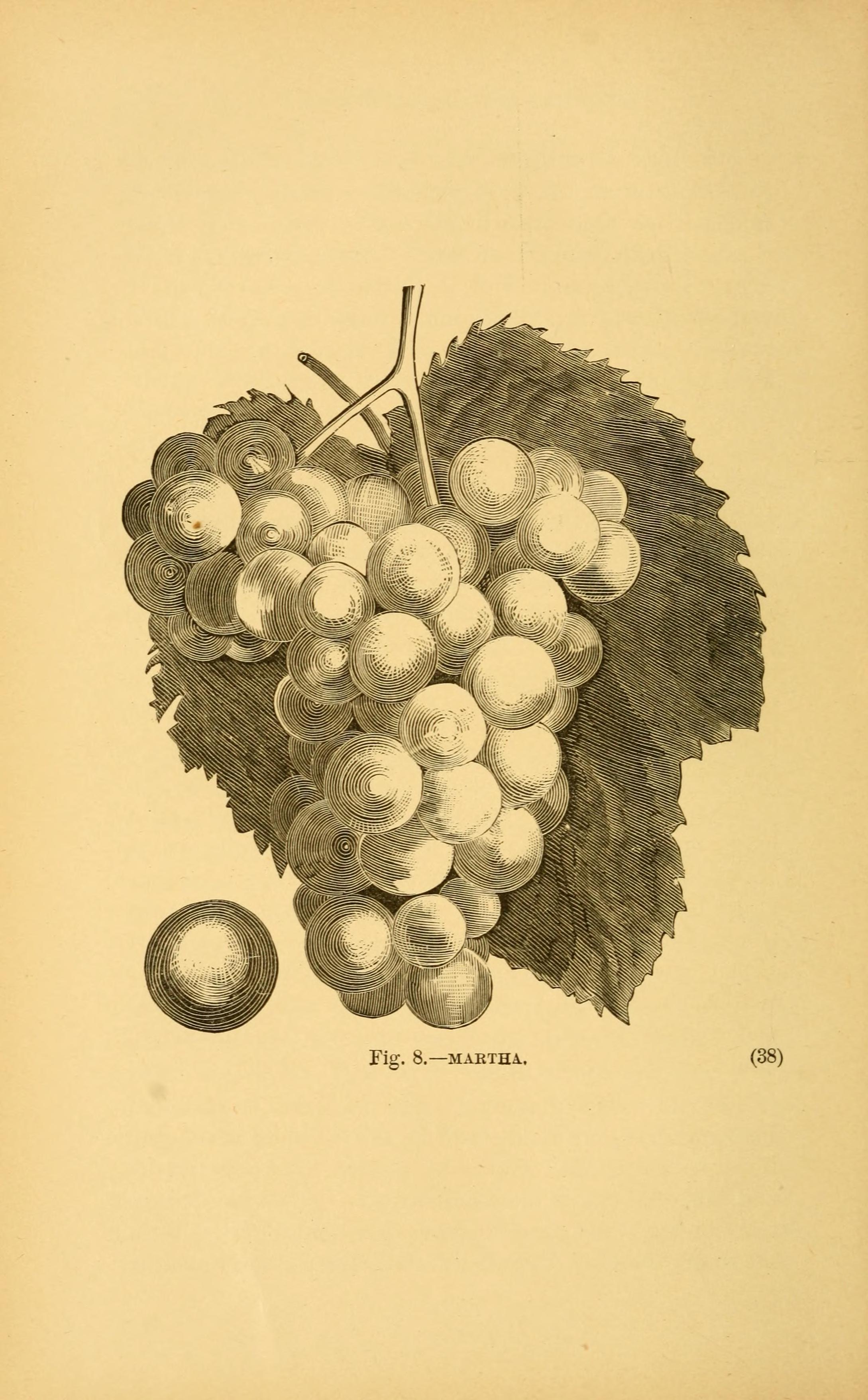
Underhill's breakthrough was strategic rather than horticultural: he abandoned European varieties entirely and turned to American native grapes. In 1827, he began planting Catawba and Isabella — tough, cold-hardy cultivars that lacked the refinement of French or German wines but could actually survive in Westchester County. The gamble worked. Within a decade, Underhill had established "the first large vineyard in the country" — seventy-five acres of vines that produced commercially viable wine and earned him the title "Grape King" from the New York agricultural press (chunk 823).
Robert Bolton, visiting Croton Point in the 1840s for his *History of the County of Westchester*, described the landscape in precise detail: "The southern declivities of the Point towards the Croton Bay are covered with extensive vineyards of Catawba and Isabella. The fable land also embraces luxuriant orchards and vineyards. The whole of the latter cover nearly an area of forty acres. Two thousand one hundred and fifty vines have been planted" (Bolton 1848, chunk 1441). By the 1860s the vineyard had nearly doubled in size.
The Senasqua Grape
Underhill was not content with cultivating existing varieties. He crossbred grapes with scientific persistence, searching for hybrids that combined American hardiness with European flavor. By 1865, two of his crosses had fruited for the first time.
The first he called the "Croton" — a hybrid of Delaware and Chasselas de Fontainebleau grapes. Contemporary horticulturist H. E. Hooker praised it as "certainly one of the most delightful grapes...that I have ever raised" (chunk 823). The name was straightforward: a grape named for the place where it grew.
The second variety he named "Senasqua" — a cross of Concord and Black Prince stock, which "also produced fruit beginning in 1865" (chunk 823).
It is the second name that carries the deeper story. Senasqua was not a word Underhill invented. It was the Kitchawank name for the meadow at the base of Croton Point — a name already ancient when Henry Hudson's Half Moon passed the peninsula in 1609. The proof lies in the 1682 deed by which the Kitchawank sold Croton Point to Cornelius Van Bursum. J. Thomas Scharf, transcribing the document in his 1886 *History of Westchester County*, preserved the exact language: "that neck or parcel of land... known by the name of Slauper's Haven, and by the Indians Navish, the meadow being by the Indians called Senasqua" (Scharf 1886, chunk 3989).
In a single sentence, the deed records two Kitchawank place-names: Navish for the fortified village at the point's neck, and Senasqua for the low meadow where — as Louis Brennan's 1962 archaeological excavations would eventually demonstrate — shell middens had been accumulating since approximately 5000 BC (Brennan, NYSAA Bulletin No. 26). When Underhill chose "Senasqua" for his grape, he was naming a new creation after a landscape feature at least seven thousand years old. The vines grew in soil that held Kitchawank pottery shards.
Whether Underhill understood the full weight of the word is uncertain. But he clearly knew the local history well enough to recognize that the meadow where his Concord-Black Prince hybrid ripened had a name far older than the English language. The Croton grape bore the name of the colonial settlement; the Senasqua grape bore the name of the people who came before.
The Elevated Railroad
Underhill's ambitions extended beyond viticulture. He was simultaneously "an investor in the West Side and Yonkers Patent Railway Company, which pioneered the city's first elevated railway system" (chunk 854, crotonhistory.org). Charles T. Harvey, a self-taught engineer, had built an experimental cable-powered elevated railway in 1867, starting from Battery Place and extending northward (chunk 854). Underhill saw opportunity in Harvey's experiment and put money into the venture.
The combination was characteristic of post-Civil War America: a man who crossbred grapes with scientific precision on a Hudson Valley peninsula could simultaneously speculate on the infrastructure that would reshape Manhattan. "Richard T. Underhill, the 'Grape King' of Croton Point, was an investor in this company — which began the New York City transportation system" (chunk 887, crotonhistory.org). The elevated railroad would eventually become the backbone of New York's transit network — the ancestor of the subway system that today carries millions.
After the Grapes
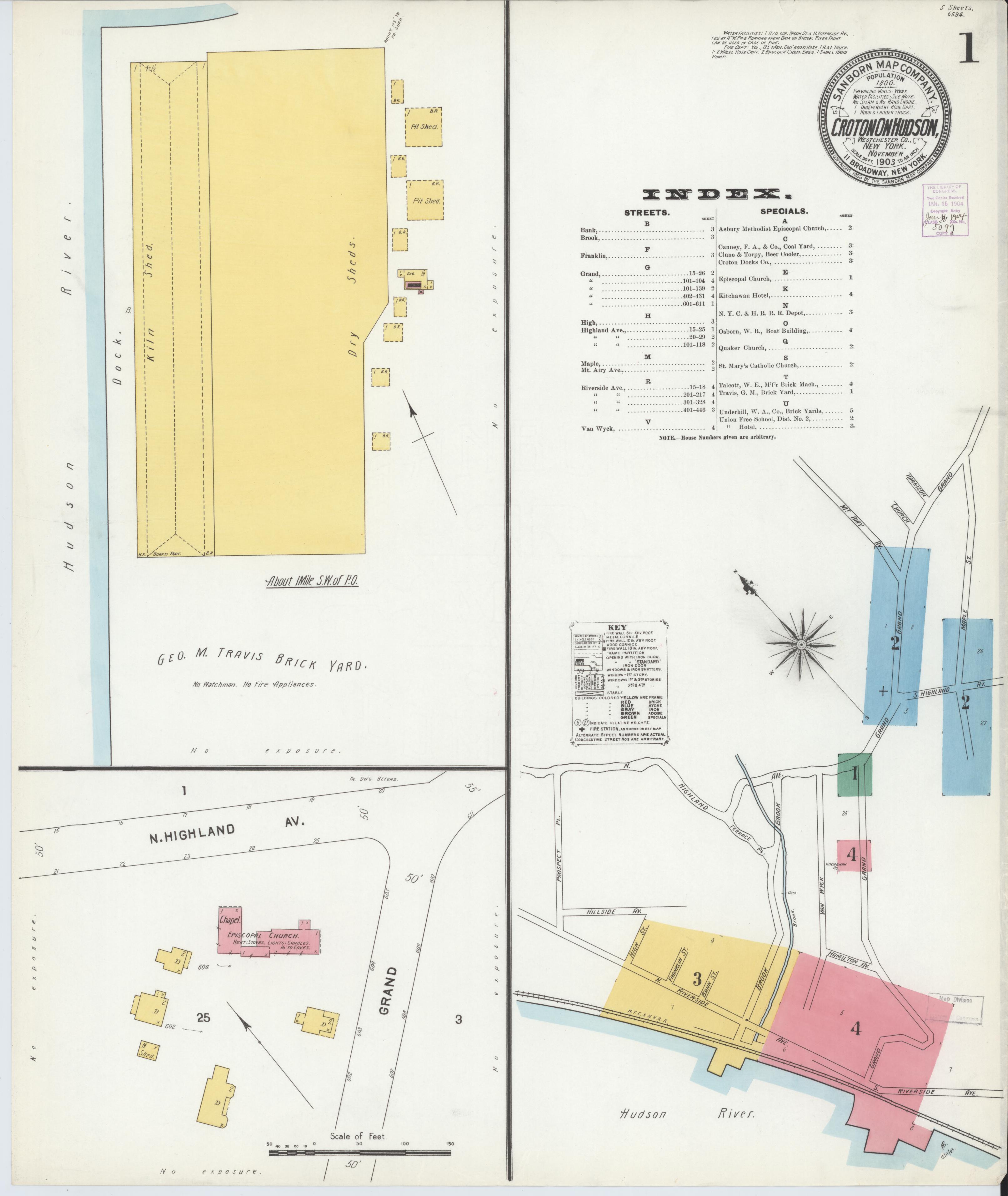
The vineyards did not survive the era that created them. Phylloxera, the insect pest that had devastated European viticulture, arrived in the Hudson Valley. Changing tastes, competition from California, and the economics of industrialization conspired against East Coast winemaking. By the 1880s, the Underhill family had found a different use for Croton Point's deep clay deposits: brickmaking.
The same family that had planted America's first large vineyard now operated a brickyard on the same land. Bricks stamped with the Underhill name were loaded onto barges and shipped down the Hudson to build New York City's tenements and factories. Fragments of Underhill bricks still wash up on the point's beaches (crotonhistory.org, "Bricks on Beach").
The vineyard rootstock was pulled. The trellises came down. But the names survived. "Croton" became a place, a dam, an aqueduct, a reservoir, and a grape. "Senasqua" became a grape variety, a conservation area, and a word that still appears on maps of the peninsula — traveling forward through a 1682 deed, a physician's notebook, and onto a wine label, carrying its seven-thousand-year-old meaning intact.
Sources Consulted
- "The Grape King of Croton Point," crotonhistory.org (chunk 823)
- "Croton in the 1850s," crotonhistory.org (chunk 963) — Benson Lossing's firsthand account
- Scharf, J. Thomas. *History of Westchester County* (1886), chunk 3989 — 1682 deed transcript
- Bolton, Robert Jr. *History of the County of Westchester* (1848), chunk 1441 — vineyard description
- "R.T. Underhill — Doctor, Winemaker, and Investor," crotonhistory.org (chunk 854)
- "Dr. Underhill's Elevated Railroad," crotonhistory.org (chunk 887)
- Brennan, Louis A. NYSAA Bulletin No. 26 (1962) — Croton Point shell midden dating
All direct quotes are verbatim from the cited sources. Each factual claim was verified against the Croton Historical Archive database.