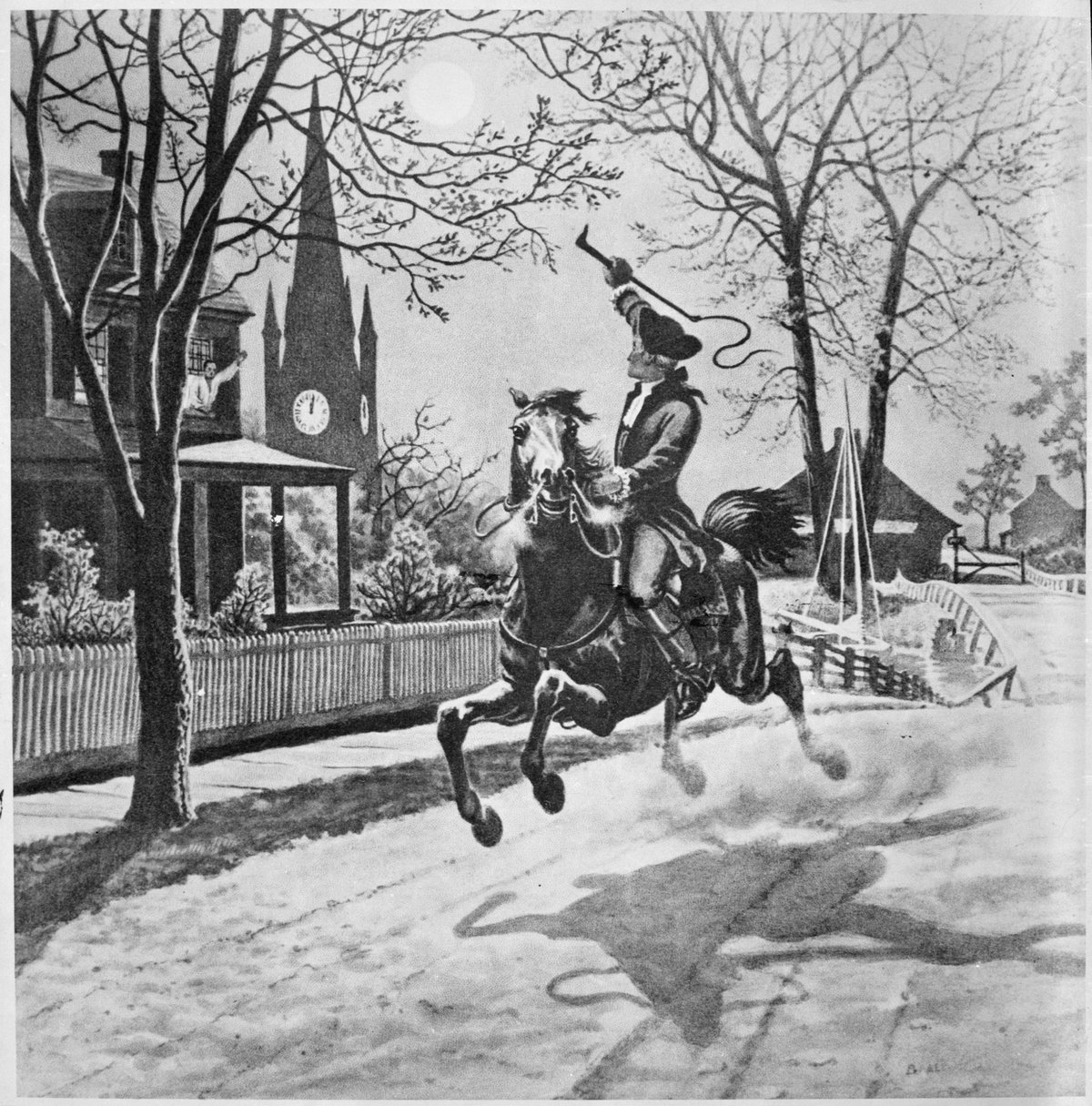
*During the Revolution, women in the Croton Valley organized a mounted raid on a grocer's tea stocks — an act of collective defiance in one of the war's most dangerous landscapes*
The story of the Westchester Tea Party comes to us through a chain of oral history stretching back more than two centuries. It was first set down in writing by James M. Macdonald, a local chronicler who between 1844 and 1851 "documented over 400 interviews with 241 descendants of early Westchester settlers" (chunk 966, Croton Friends of History). The researcher Lincoln Diamant studied Macdonald's notes in the 1970s and brought the account to wider attention. What emerges is a vivid episode of women-led direct action during the American Revolution — set against one of the most violent and lawless landscapes in the colonies.
The Neutral Ground
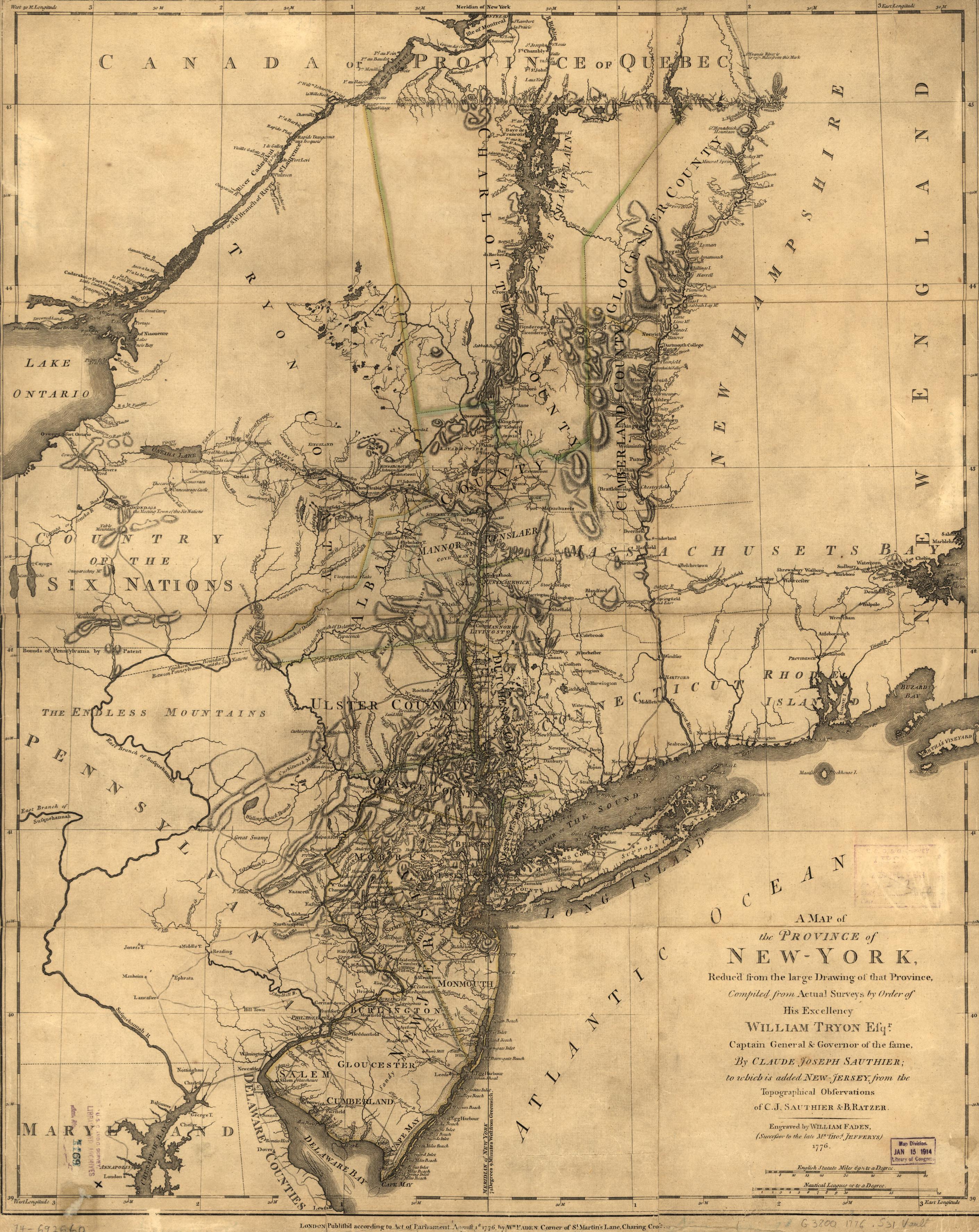
To understand what the women of the Croton Valley faced, you must first understand the place they lived. During the Revolution, Westchester County became what contemporaries called the Neutral Ground — a no-man's-land between the American lines above the Croton River and the British-held territory below. It was neutral in name only.
Frederic Shonnard, in his 1900 *History of Westchester County*, described the reality: "Practically all of Westchester County was continually exposed to alternate American and British raids, forages, and ravages, to depredations by bands of irresponsible ruffians not regularly attached to either army, and to acts of neighborhood aggression and reprisal by the patriot upon the Tory inhabitants and vice versa" (Shonnard 1900, chunk 4890).
Two classes of irregular fighters terrorized the civilian population. Shonnard names them with grim precision: "In addition to the regular troopers on either side, there were numerous unauthorized and wholly illegal bands, organized principally for private plunder, called Skinners on the American side and Cowboys on the British" (Shonnard 1900, chunk 4891). Washington Irving, who grew up in the Hudson Valley and wove these memories into *The Legend of Sleepy Hollow*, captured their methods through Shonnard's description: "This debatable land was overrun by predatory bands from either side; sacking henroosts, plundering farmhouses, and driving off cattle. Hence arose those two great orders of border chivalry, the Skinners and Cowboys. Neither of them stopped to ask the politics of horse or cow which they drove into their lines" (Shonnard 1900, chunk 4892).
Robert Bolton, writing in 1848 from testimony closer to the events, recorded a petition from Westchester civilians that conveys the desperation: "Unhappy am I to add that amidst all our sufferings the army employed for the protection of America have not refrained from embittering the calamities of war, at a time when the utmost resources of this state were laid open to their wants" (Bolton 1848, chunk 1681). Even the American army, supposedly there to protect its own citizens, was stripping the countryside of food.
This was the world in which approximately thirty women organized a mounted raid on a grocer's tea supply.
The Raid
The incident, as Macdonald recorded it from his interviews with settlers' descendants, took place during the war years — likely 1776 or shortly after, when tea drinking was considered unpatriotic but shortages had made the prohibition academic. The leader was identified as "Madam Orser, wife of Jonas Orser" (chunk 966). The Orser family was prominent enough in the area to appear in multiple sources: Shonnard's index records "the surprise at Orser's (January, 1782)" as a distinct military engagement (Shonnard 1900, chunk 5092), and Bolton notes Orser family properties in the Croton area (Bolton 1848, chunk 5007). This was not a family on the margins — the Orsers were established landholders whose property was significant enough to be a military target.
The object of the women's expedition was John Arthur, who "had relocated from New York to Westchester County with merchandise including Bohea tea" (chunk 966). Arthur was not a longtime local but a newcomer from the city, bringing trade goods into a war zone. When word spread that he possessed tea stocks, the women assembled.
Macdonald's account describes what followed with the compression of oral history. Arthur "encountered the group and, displaying quick thinking, directed them along a circuitous route while he hurried home. He warned his household and barricaded the doors and windows" (chunk 966). But the women of the Arthur household were no less formidable than the riders outside: "When the women arrived and demanded tea, Dame Arthur and her sisters armed themselves with household implements and refused entry" (chunk 966).
The standoff resolved through negotiation rather than force. "After reconsidering their options, the women negotiated with Dame Arthur, who promised they would receive tea once Arthur returned. The besiegers accepted this agreement and withdrew. Subsequently, Arthur supplied them with substantial quantities of Bohea tea, delighting the women throughout the winter" (chunk 966).
The Tea
Bohea was the most common grade of black tea consumed in colonial America — the everyday tea of the working population, imported in vast quantities before the war disrupted trade. It was the same variety dumped into Boston Harbor in 1773. That the Westchester women demanded and received Bohea specifically — not the finer hyson or gunpowder teas that wealthier colonists preferred — suggests their action was driven by practical need rather than political theater. In a landscape where Skinners and Cowboys were stealing livestock and both armies were requisitioning food, a winter's supply of tea was not a luxury but a small island of normalcy.
The Name
Diamant's investigation into the Teatown place-name began with a British Museum librarian's response to a 1931 query from the New-York Historical Society: he had "made a search of the various gazetteers, old and new, and have failed to discover any place in Britain bearing this name" (chunk 966). The English-village theory was dead. The connection to the Westchester Tea Party remains the most widely cited alternative explanation, though Diamant himself presented it as one possibility among several.
What We Can Verify
The Teatown story must be treated honestly for what it is: oral tradition, transmitted through at least two generations before Macdonald wrote it down, and reaching us through Diamant's twentieth-century research. We cannot confirm the number of women, the exact date, or the specific dialogue. We cannot rule out embellishment over the decades of retelling.
But several elements of the story are corroborated by independent sources. The Orser family's presence in the area is confirmed by both Bolton (1848) and Shonnard (1900). The wartime conditions — the plundering, the shortages, the lawlessness of the Neutral Ground — are exhaustively documented. The military significance of the Orser property is established by the "surprise at Orser's" in January 1782, recorded in Shonnard's index as a distinct engagement (chunk 5092). And Macdonald's interview method — over 400 conversations with 241 descendants, conducted within living memory of the Revolution — represents a systematic effort to capture community knowledge before it was lost.
What the story preserves, even if its details have been shaped by retelling, is the texture of Revolutionary-era life in the Croton Valley: the resourcefulness of women managing communities while men were at war or in hiding, the practical politics of food supply in an occupied region, and the willingness of ordinary people to organize collective action in the face of deprivation. In a landscape terrorized by Cowboys and Skinners, where even the Continental Army stripped the countryside bare, thirty women on horseback riding to a grocer's door was not a quaint legend but an act of survival.
Sources Consulted
- "In Search of Teatown," Croton Friends of History (chunk 966) — Macdonald/Diamant oral history
- Shonnard, Frederic & W.W. Spooner. *History of Westchester County* (1900), chunks 4890, 4891, 4892, 5092 — Neutral Ground, Cowboys/Skinners, "surprise at Orser's"
- Bolton, Robert Jr. *History of the County of Westchester* (1848), chunks 1681, 5007 — wartime deprivation, Orser properties
All direct quotes are verbatim from the cited sources. Each factual claim was verified against the Croton Historical Archive database.