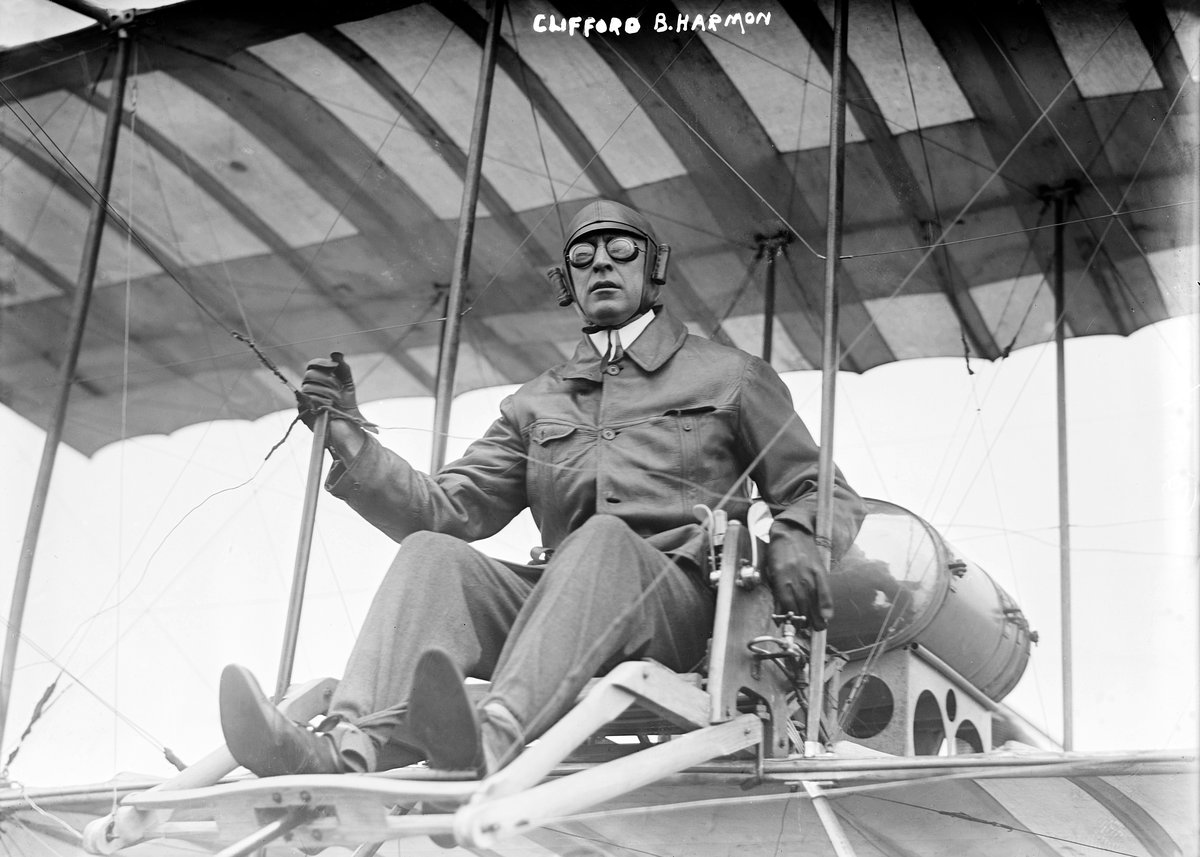
*The name "Harmon" in Croton-Harmon belongs to a real estate developer. But his brother William — who started with the same $3,000 stake — became one of the most important patrons of African-American art in the twentieth century, and gave away fortunes under a dead man's name.*
Every commuter who passes through Croton-Harmon station knows the name. Clifford B. Harmon — aviator, promoter, builder of "the most important and extensive suburban development in the history of New York" — is the Harmon whose name is on the map (chunk 974, crotonhistory.org). But there was another Harmon, and his trajectory from small-town Ohio to the patronage of the Harlem Renaissance is one of the most unlikely stories in the region's history.
The Family
William Elmer Harmon was born in 1862 in Lebanon, Ohio. His father, also named William, "fought with the 70th Ohio volunteer infantry during the Civil War. After the war he served as an officer with African-American 'Buffalo Soldiers' on the western frontier, dealing with Native American tribes. This group of soldiers had been created by Congress as the first peacetime, all-Black regiment in the regular army" (chunk 973, crotonhistory.org).
His younger brother, Clifford Burke Harmon, was born in 1868. Both boys were raised in Lebanon by their mother, Mary "Molly" Wood.
William's early life was marked by ambition and tragedy in equal measure. He "graduated from public school in 1881 and then, wanting to be a physician, enrolled at the Jefferson School of Medicine in Louisville, Kentucky. He married in 1883 but tragedy struck fifteen months later when his wife died in childbirth" (chunk 973). Then came a cascade of losses: "Because of his father's financial difficulties, William interrupted his medical schooling and returned home. Tragedy again struck, his mother dying in 1884 and his father, six months later" (chunk 973).
At twenty-four, William Harmon was an orphan with a younger brother to support and no professional credentials. He had worked briefly as a flower salesman and discovered he was good at it — "after two months was leading 56 other employees in total sales" (chunk 973). But selling flowers was not a career. He needed something bigger.
The $3,000 Scheme
Harmon's reasoning was simple and ruthless: "The surest way is to hit upon something that everybody wants, make it possible for anyone to buy it and let them know that I have it for sale. But what does everybody want? Land is my answer" (chunk 973).
In 1887, William, Clifford, and their uncle Charles Wood "pooled their money for a total of $3,000. With that they bought land south of Loveland, Ohio, not far from Lebanon, laid out lots and built wooden sidewalks for a subdivision called Branch Hill" (chunk 973). They spent nearly all their capital on a single newspaper advertisement.
"December 14, the day of the sale, they waited nervously to see what was going to happen. Buyers arrived slowly but as the day wore on, sales began to mount. From one crude ad, the entire allotment sold out in four days. The 200 lots sold for $25 each, with a deposit of $2 and payments of 25 cents a week" (chunk 973).
The model was revolutionary in its simplicity: sell land in tiny lots at prices so low that anyone with a job could afford a down payment. "No taxes or interest were charged until a lot was paid in full, and all payments in advance were given a credit of 10%" (chunk 973). It was the installment plan applied to real estate — and it worked.
The Empire
From Branch Hill, the operation expanded to "Cincinnati and Dayton, to 26 other Midwestern cities including Pittsburgh and Chicago, and to Boston, Brooklyn, Midwood, Flatbush and Staten Island" (chunk 974). When Brooklyn became part of New York City and the subway system extended into the borough, William "bought up farm after farm and organized multiple companies, comprising over 20,000 building lots" (chunk 974).
"By 1905 Wood, Harmon & Co. had offices in 40 cities east of the Mississippi River and was acclaimed as the largest real estate operation in the world" (chunk 974). Clifford turned his attention to the Hudson Valley and began developing Harmon-on-Hudson as a planned commuter community around the New York Central railroad stop. William continued running the national operation from New York City.
The Foundation
William Harmon retired from active business at sixty and "devoted the rest of his life to the solution of social issues" (chunk 974). In 1922, he established the Harmon Foundation.
The foundation's early work was broad: "parks, including playgrounds and recreational fields, in 34 states across the nation, most of them in small towns like Lebanon's Harmon Park. That park, opened in 1912, comprises 88 acres and has a public golf course that is still called 'The Augusta of the North'" (chunk 974). It funded "scholarships for Boy Scouts, a pension fund for nurses and other health care workers, rural clinics, and a child development fund" (chunk 974).
But it was the foundation's turn toward African-American art that made it historically significant. "William Harmon was one of many white Americans intrigued by the flowering of African-American art and literature in the 1920s. In 1926 the Harmon Foundation began recognizing African-American achievements in music, visual arts, literature, industry, education, race relations, and science" (chunk 974). The foundation became "one of the first major supporters of African American creativity" (chunk 848, crotonhistory.org).
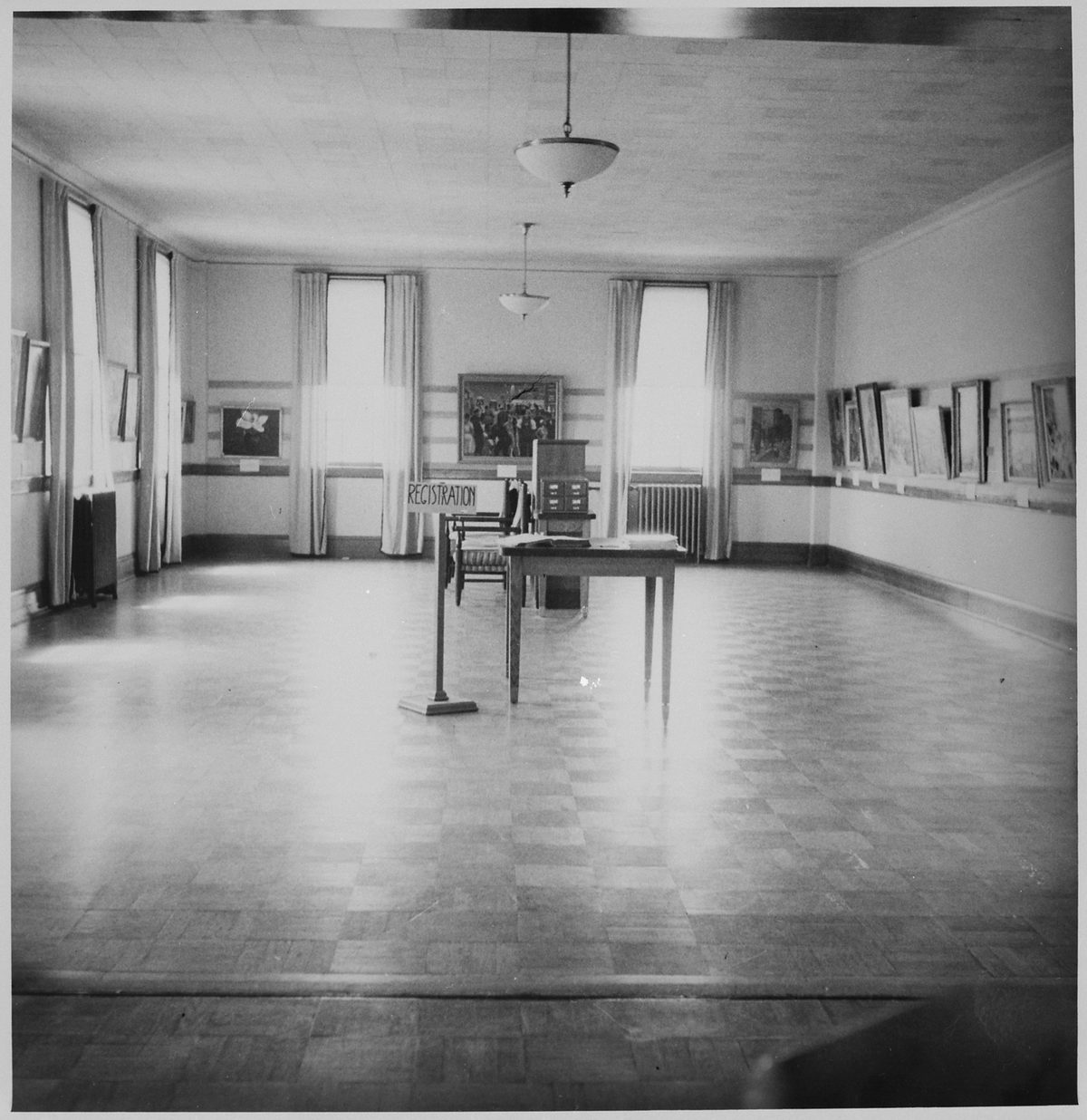
"In 1928 the Harmon Foundation sponsored the first exhibition of works created exclusively by African-American artists, and three years later the exhibit began touring the country" (chunk 974). At a time when mainstream galleries and museums largely excluded Black artists, the foundation created a parallel infrastructure of visibility and recognition.
Jedediah Tingle
William Harmon's most eccentric legacy was his secret identity. For years, anonymous gifts arrived in New York from a benefactor who signed himself "Jedediah Tingle." The gifts went to "writers, poets, and deserving individuals" — small, personal acts of generosity that operated on an entirely different scale from the foundation's institutional programs (chunk 849, crotonhistory.org).
"Jedediah Tingle" announced that he was "carrying on a mission to bring smiles and tender thoughts to the great in heart in high and low places, to comfort and cheer those who do exceptional things or suffer" (chunk 974).
Nobody knew who Tingle was.
William Elmer Harmon died on July 16, 1928, at the age of sixty-six, at his summer home in Southport, Connecticut. Three days later, the *New York Times* revealed his secret: "the mysterious benefactor of lore was none other than the real estate developer William Harmon, aka Jedediah Tingle, who had cleverly distributed monetary gifts under the name of his maternal great-grandfather" (chunk 974).
The Two Brothers
The contrast between the Harmon brothers is the contrast between two kinds of ambition. Clifford was a builder and a promoter — a man who stamped his name on communities and wanted it remembered. His development at Harmon-on-Hudson was a monument to the Harmon brand. William used a dead ancestor's name to give away money in secret. One brother built towns; the other built opportunities for people whom the towns of that era would not have welcomed.
Both are buried elsewhere — William and his second wife Catherine at the Moravian Cemetery on Staten Island (chunk 974). But the name "Harmon" lives on at the train station, carried by commuters who know the developer's story and not the philanthropist's, the builder's name and not the secret giver's.
Sources Consulted
- "The Other Harmon" by Carl Oechsner (Croton Friends of History), chunks 973, 974 — primary biography
- "The Other Harmon," crotonhistory.org (chunk 848) — foundation significance
- "William E. Harmon's Death Reveals His Secret," crotonhistory.org (chunk 849) — Jedediah Tingle
All direct quotes are verbatim from the cited sources. Each factual claim was verified against the Croton Historical Archive database.